

‘It Was Great to Look at Scientific Achievements through the Eyes of a Journalist, not a Scientist’
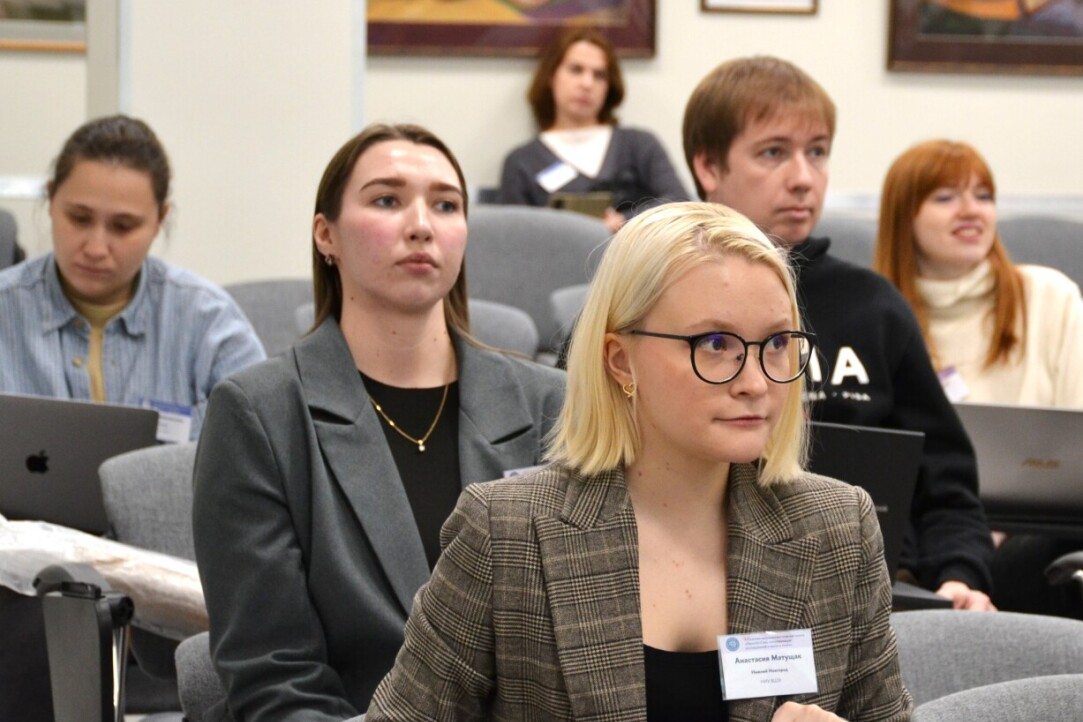
HSE University in Nizhny recently hosted the 2nd Autumn Neuro-linguistic School ‘NeuroSciCom: Popularising Language and Brain Studies’ for scientists and students at the HSE Centre for Language and Brain Studies in Nizhny Novgorod. The school was held as part of the 'Human Brain Resilience: Neurocognitive Technologies for Adaptation, Learning, Development and Rehabilitation in a Changing Environment' Strategic Project of the Priority 2030 programme.
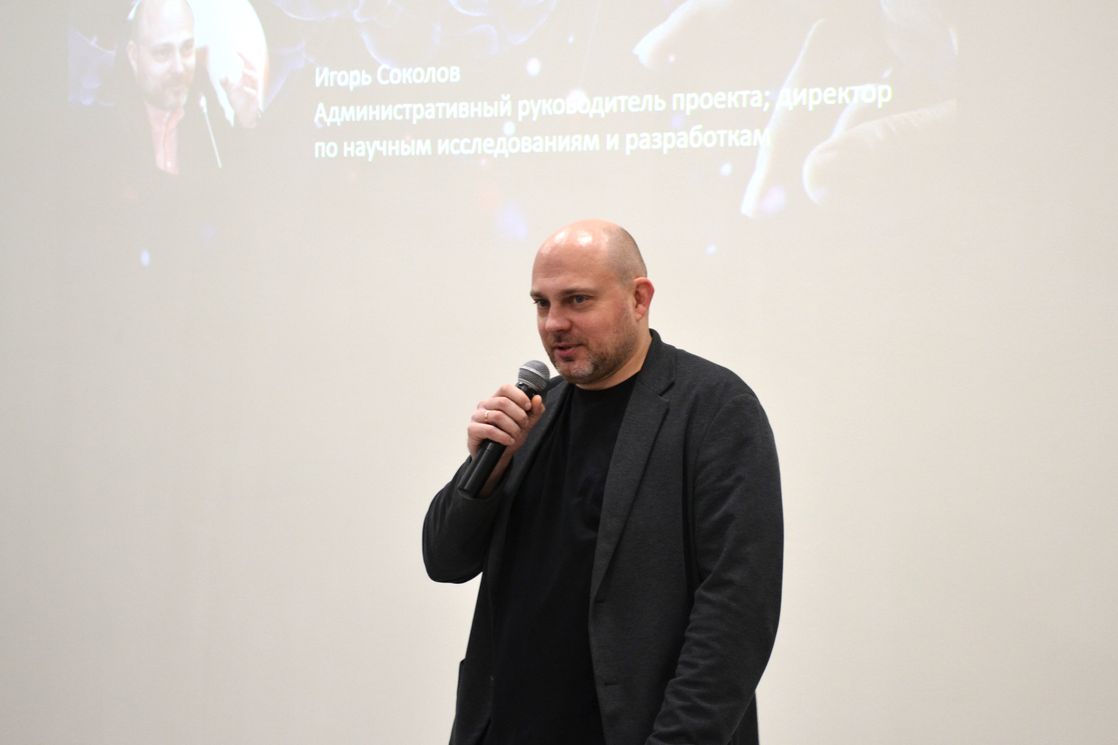
At the school’s opening ceremony, Igor Sokolov, the project coordinator, stressed that the project aims to create a centre for assistive technologies and augmented intelligence, and is the first unified infrastructure in Russia for research in the field of neurocognitive studies, as well as for generating, promoting and commercialising ideas in the field of neurocognitive technologies and research.
Strategic projects focus not merely on fundamental developments, but are more concerned with the creation of digital tools and products. For example, the goal of the HSE Centre for Language and Brain Studies in Nizhny Novgorod is to develop an application that helps to automatically diagnose symptoms of various psychiatric and neurological disorders, such as depression or schizophrenia. It is important for scientists who are engaged in the development of such products to convey the results of their activity to the wider public.
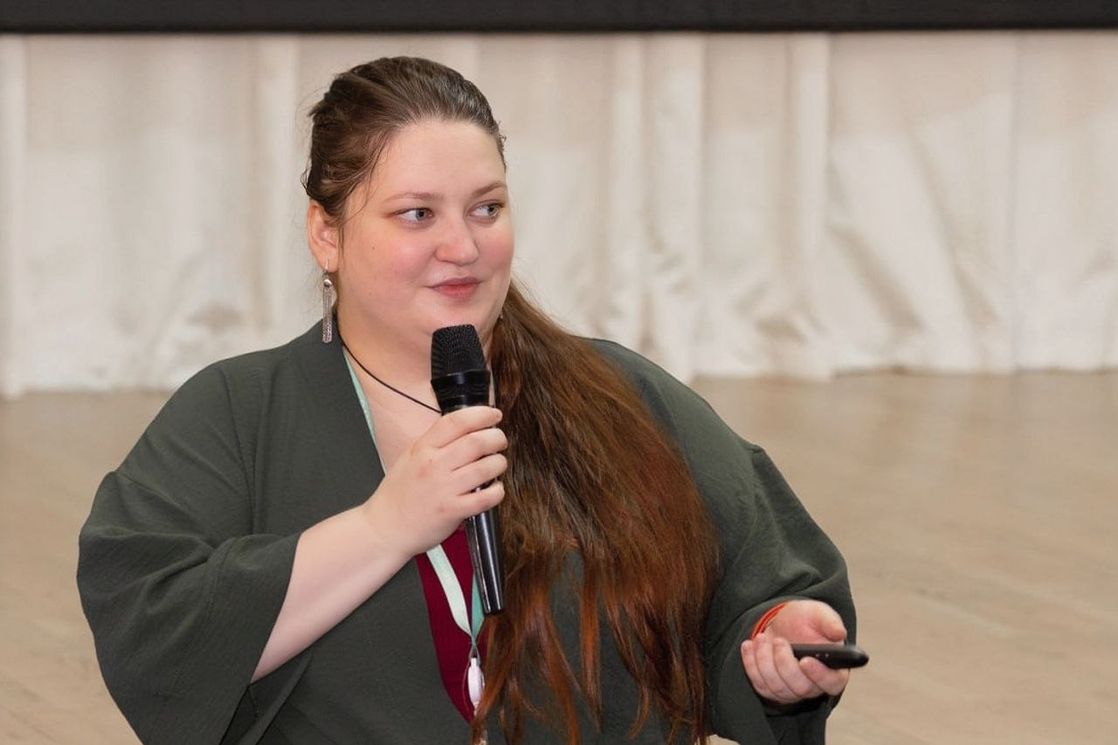
‘We have launched and organised a school that will be able to offer solutions to the very specific problem of communication between scientists and the general public, helping introduce various ways of popularising research, development and communication with a wider audience,’ explained Mariya Khudyakova, director of the Centre for Language and Brain Studies at the Faculty of Humanities (Nizhny Novgorod)
The school programme gives young scientists an opportunity to look at their research from the media’s point of view. Therefore, HSE University scientific communicators, as well as journalists and popularisers of science were invited as speakers: Grigory Tarasevich, founder and editor-in-chief of the popular scientific journal ‘Schrödinger's Cat’ and Daniil Kuznetsov, chief editor of the HSE science and education media brand IQ.HSE.
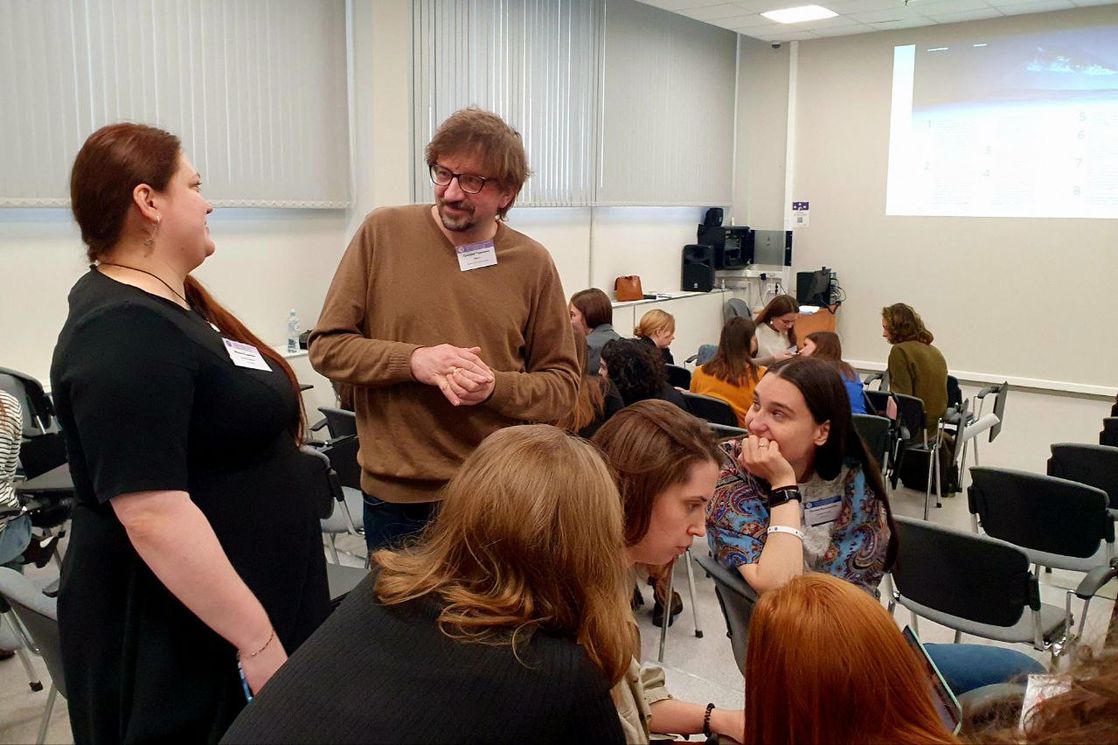
The school participants also practiced creating popular science texts on the topic of their research. The results of this work were presented by young researchers on the second day of the school during the master class 'How to speak about research in the field of neuroscience’.
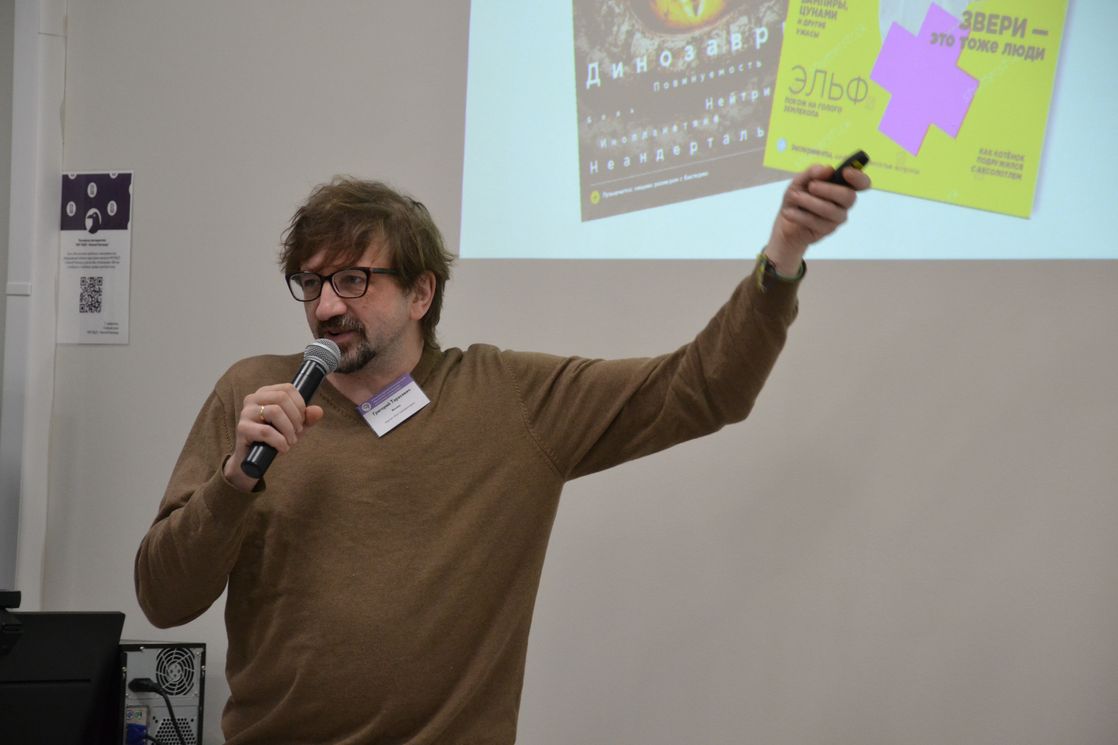
‘The audience for the neuro-school turned out to be absolutely wonderful - smart, and most importantly, motivated people. We discussed future projects, for example, articles in the ‘Schrödinger's Cat’ scientific journal and the neuro-linguistics workshop at the ‘Summer School’ (the summer school of the ‘Russian Reporter’). We also discussed how to popularise neuro-linguistics among high school students, for example, through involvement in scientific volunteering project. I believe that this school will help to popularise neuro-linguistics in Russia because, currently, it is much less appreciated than, let’s say, popular astrophysics or anthropology.’
During the lecture ‘Scientific news as the main tool for promoting research: features, structure, and the basic rules of writing’ by Daniil Kuznetsov, participants learned how and when it is best to start interacting with scientific communicators and brand media editors at their university so that their research can be effectively covered in the media. In addition, the students learnt how their large, detailed scientific article can be turned into a short news article, as well as why creative and catching headlines are vital.

Daniil Kuznetsov
It was very important to me that our young scientists could put themselves in the place of journalists, walk in their shoes and look at the scientific process and the functioning of the media through their eyes. In most cases, this kind of experience removes various blocks and prejudices when working with the media in the future. Researchers understand why media specialists do certain things, which means they can help them create fascinating, but at the same time factually correct articles. The small exercise I proposed — to read a scientific paper from an unfamiliar field in half an hour and create a short piece about the research based on it — turned out to be a difficult task, but it allowed me to fully get into the daily routine work of a scientific journalist.
Grigory Tarasevich, Daniil Kuznetsov and researchers of the HSE Centre for Language and Brain Studies Nina Zdorova and Alina Minnigulova participated in the round table ‘Experiences of interaction between scientists and the media’. As a result of the discussion, most of the participants agreed that scientists and journalists need intermediaries – scientific communicators.
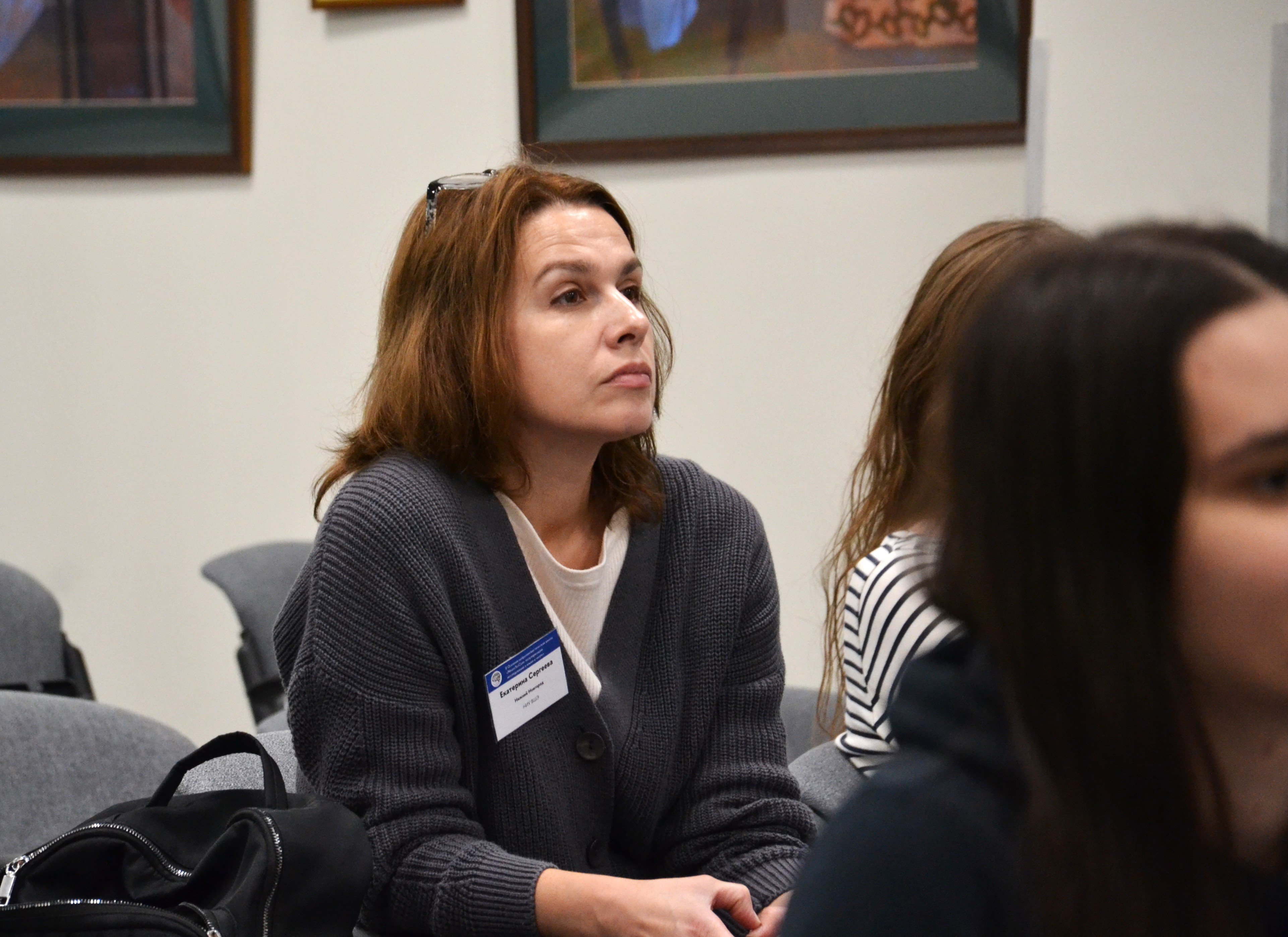
‘The open discussion aroused a lot of emotions,’ says Ekaterina Sergeeva, Advisor to the Director of the HSE University in Nizhny Novgorod. ‘Such events can make a great impression on the participants and allow young scientists to look at their research from a different angle.’ She supported Grigory Tarasevich's assumption that modern scientists need to discuss their scientific achievements with schoolchildren, explaining everything in the most accessible language. She adds that widespread use of such ‘scientific volunteering’ will raise the average level of education, which will positively affect the competence of scientific journalists and prepare young people for a conscious choice of science as their life's work.
A poster session presenting the results of 15 studies in the field of psycho- and neuro-linguistics was held during the school. The use of special video oculographic glasses that allow you to record eye movements when viewing the poster was an interactive part of the session’s programme.

Nina Zdorova
We recorded how people from three different professional fields viewed the posters: a linguist, a programmer, and a journalist. We then analysed the data and presented the results in the report ‘Eye movement in the evaluation of a scientific poster’. Of course, it was a pseudo-experiment, since there was only one person in the sample and one poster as the material. However, potentially it can be developed, and we plan to conduct a study on how viewers focus their attention when watching TV series with and without subtitles.
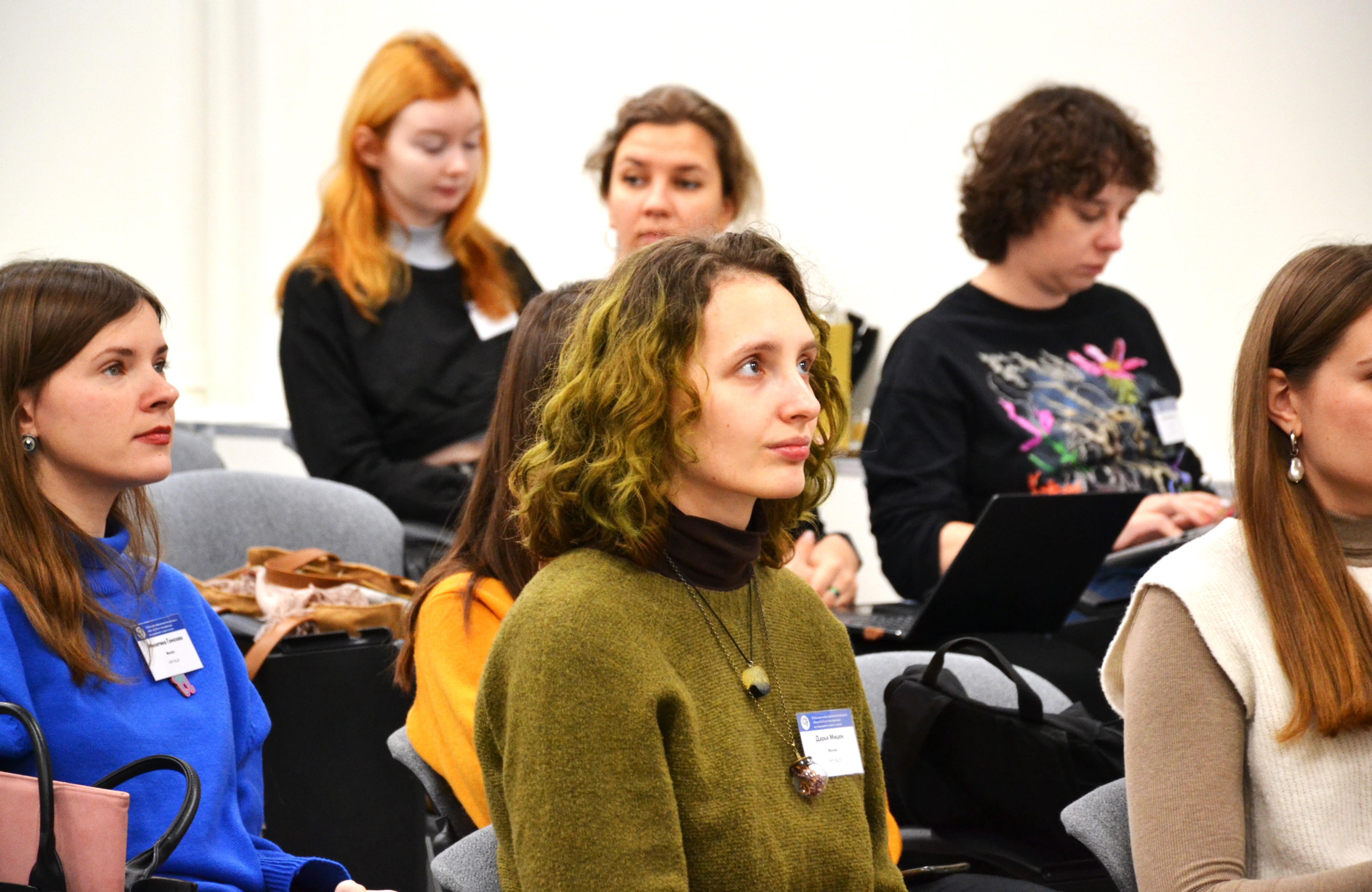
Kapitolina Untila, research assistant at the HSE Centre for Language and Brain Studies, agreed that it was useful to look at scientific achievements through the eyes of a journalist, not a scientist, because these are two completely different approaches. ‘During the School, we constantly returned to a lively discussion about the share of science in pop science and how to present it correctly. Before that, I had never thought about how difficult it was to maintain a balance between scientific accuracy and media attractiveness. In general, I had a lot of impressions, a lot of food for thought,’ she said.
During the school a screening of the film about the future through the eyes of HSE scientists 2052: See the Future took place. Liudmila Mezentseva, Head of the HSE Science Communication and Outreach Office, presented it to the participants. This film triumphed in the main Russian competition of scientific journalists, communicators and popularisers — the 9th all-Russia prize 'For Loyalty to Science' of the Ministry of Science and Higher Education of the Russian Federation, winning the 'Special Prize for the Popularisation of Russian Science' category. The film features 15 HSE experts who share their forecasts about changes in the economy and society, talking about foresight and scientific forecasting, research in neuroscience, the use of artificial intelligence, and the widespread introduction of digital technologies, including in the humanities and law.
See also:

Banking Crises Drive Biodiversity Loss
Economists from HSE University, MGIMO University, and Bocconi University have found that financial crises have a significant negative impact on biodiversity and the environment. This relationship appears to be bi-directional: as global biodiversity declines, the likelihood of new crises increases. The study examines the status of populations encompassing thousands of species worldwide over the past 50 years. The article has been published in Economics Letters, an international journal.
Scientists Discover That the Brain Responds to Others’ Actions as if They Were Its Own
When we watch someone move their finger, our brain doesn’t remain passive. Research conducted by scientists from HSE University and Lausanne University Hospital shows that observing movement activates the motor cortex as if we were performing the action ourselves—while simultaneously ‘silencing’ unnecessary muscles. The findings were published in Scientific Reports.
Russian Scientists Investigate Age-Related Differences in Brain Damage Volume Following Childhood Stroke
A team of Russian scientists and clinicians, including Sofya Kulikova from HSE University in Perm, compared the extent and characteristics of brain damage in children who experienced a stroke either within the first four weeks of life or before the age of two. The researchers found that the younger the child, the more extensive the brain damage—particularly in the frontal and parietal lobes, which are responsible for movement, language, and thinking. The study, published in Neuroscience and Behavioral Physiology, provides insights into how age can influence the nature and extent of brain lesions and lays the groundwork for developing personalised rehabilitation programmes for children who experience a stroke early in life.
HSE Scientists Reveal What Drives Public Trust in Science
Researchers at HSE ISSEK have analysed the level of trust in scientific knowledge in Russian society and the factors shaping attitudes and perceptions. It was found that trust in science depends more on everyday experience, social expectations, and the perceived promises of science than on objective knowledge. The article has been published in Universe of Russia.
Scientists Uncover Why Consumers Are Reluctant to Pay for Sugar-Free Products
Researchers at the HSE Institute for Cognitive Neuroscience have investigated how 'sugar-free' labelling affects consumers’ willingness to pay for such products. It was found that the label has little impact on the products’ appeal due to a trade-off between sweetness and healthiness: on the one hand, the label can deter consumers by implying an inferior taste, while on the other, it signals potential health benefits. The study findings have been published in Frontiers in Nutrition.
HSE Seeks New Ideas for AI Agents: Initiative Competition Launched
HSE University is inviting researchers and lecturers to present concepts for new digital products based on artificial intelligence. The best projects will receive expert and technological support. Applications are open until December 19, 2025.
IDLab: Fascinating Research, Tough Deadlines, and Academic Drive
The International Laboratory of Intangible-driven Economy (IDLab) was established at the HSE campus in Perm 11 years ago. Its expertise in data processing and analysis allows researchers to combine fundamental studies with applied projects, including the development of risk and cybersecurity models for Sber. The head of the laboratory, Professor Petr Parshakov, and Senior Research Fellow Professor Mariya Molodchik spoke to the HSE News Service about IDLab’s work.
HSE Lecturers Awarded Yandex ML Prize 2025
The Yandex ML Prize is awarded to lecturers and heads of educational programmes who contribute to the development of artificial intelligence in Russia. This year, 10 laureates were selected from 300 applicants, including three members of the HSE Faculty of Computer Science (FCS). A special Hall of Fame award was also presented for contributions to the establishment of machine learning as an academic field. One of the recipients was Dmitry Vetrov, Research Professor at the HSE FCS.
HSE University and Banking and Finance Academy of Uzbekistan Sign Memorandum on Scientific Cooperation
The partnership aims to foster academic collaboration in the fields of global economics, sustainable development, and Islamic finance. Strengthening academic ties with Uzbekistan represents a promising direction for scientific exchanges and the implementation of international projects in sustainable development.
HSE Scientists Optimise Training of Generative Flow Networks
Researchers at the HSE Faculty of Computer Science have optimised the training method for generative flow neural networks to handle unstructured tasks, which could make the search for new drugs more efficient. The results of their work were presented at ICLR 2025, one of the world’s leading conferences on machine learning. The paper is available at Arxiv.org.