

‘We Are Developing Technologies to Support People and Strengthen the Intellect’
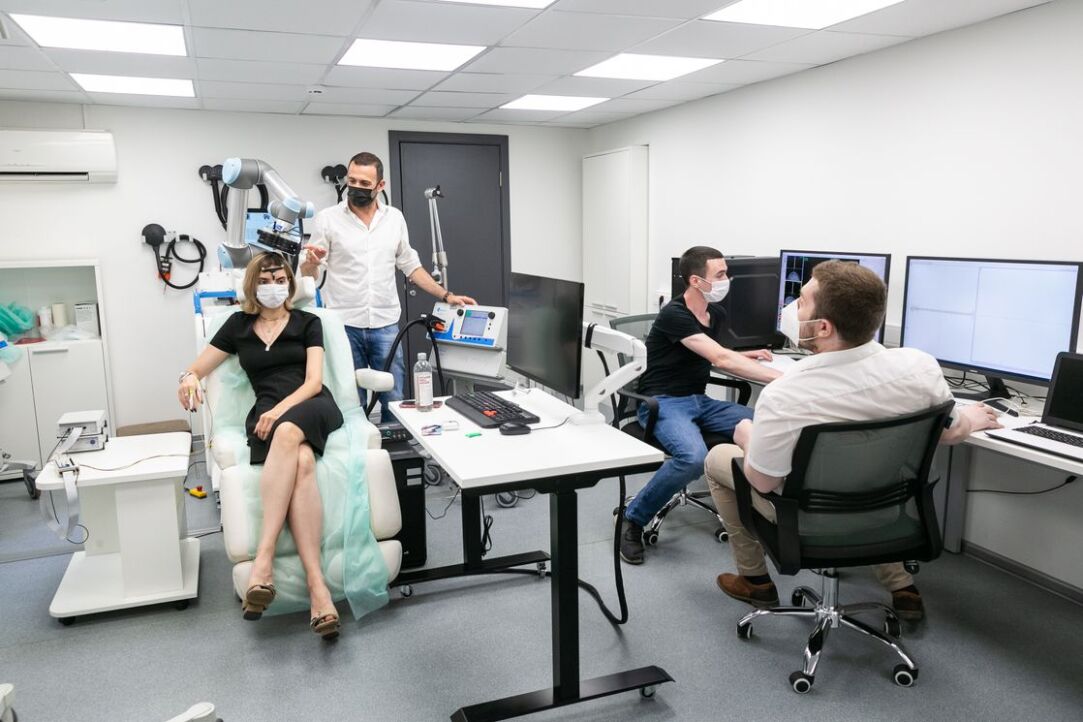
HSE News Service spoke to Director of the Institute of Cognitive Neurosciences, Head of the Centre for Cognition and Decision Making at HSE University, Anna Shestakova about the achievements and goals of the new HSE University’s strategic project ‘Human Brain Resilience: Neurocognitive Technologies for Adaptation, Learning, Development, and Rehabilitation in a Changing Environment’.
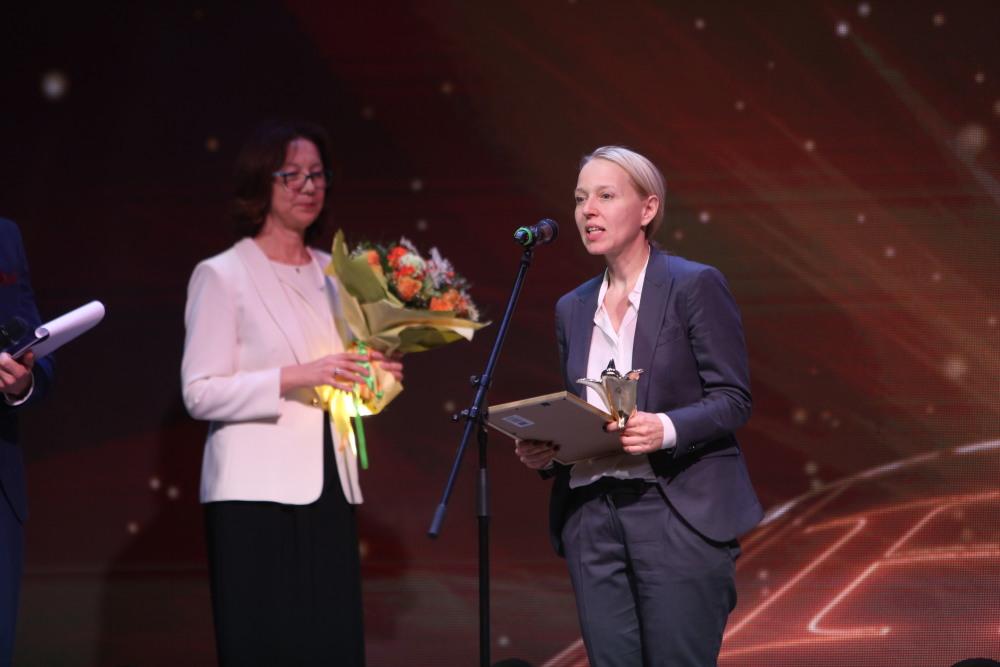
— Please tell us how the project idea came about, who initiated it, and how the team was formed.
— It was launched in the spring of this year, and was preceded by a great deal of work. We, like all divisions, participated in the initial competition for strategic projects. Taking into account the growing interest in the achievements of the brain sciences and the importance of developing new neurotechnologies, together with the Centre for Language and Brain, the Faculty of Computer Science, and the Faculty of Biology and Biotechnology, as well as partner laboratories at HSE University in St. Petersburg, Nizhny Novgorod, and Perm, we began to form a multidisciplinary project with the apposite name of ‘The Resilient Brain’.
The Institute for Cognitive Neurosciences (ICN) and the Centre for Language and Brain (CNB) are unique scientific divisions demonstrating outstanding world-class results both in the field of studying the neurobiological foundations of brain activity and in the field of diagnosis and rehabilitation of cognitive impairments and disorders.
We study the brain mechanisms of decision-making, memory, attention, speech, body-brain interaction, and cognitive reserve; we are engaged in the neuromodelling of brain processes, creating algorithms for artificial and extended natural intelligence for a wide range of cognitive tasks, developing brain signal decoding programmes and multimodal neuroimaging, neurofeedback, speech diagnostics neurotechnologies, stimulation-free preoperative mapping, and much more.
Psychologists, linguists, mathematicians, physicists and engineers, doctors and biologists—together we are developing neurotechnologies using augmented intelligence aimed at improving the quality of human life and expanding cognitive functions.
— What are the project goals and objectives?
— There are three of them: fundamental, applied and educational.
Scientific discoveries about the functioning of the human brain, as well as neurotechnologies developed as a result of these advances, will be significant for many priority areas. The concepts and tools developed can be used to respond to the key challenges of modern reality: the need for rapid adaptation and learning in a changing situation, population aging, and an increase in the number of neuropsychiatric diseases. The biomedical tools we develop can be implemented in various areas of healthcare and improve its manufacturability based on the principles of a personalised approach. The resulting computational solutions based on the work of the human brain will be able to advance research in the field of artificial and extended natural intelligence.
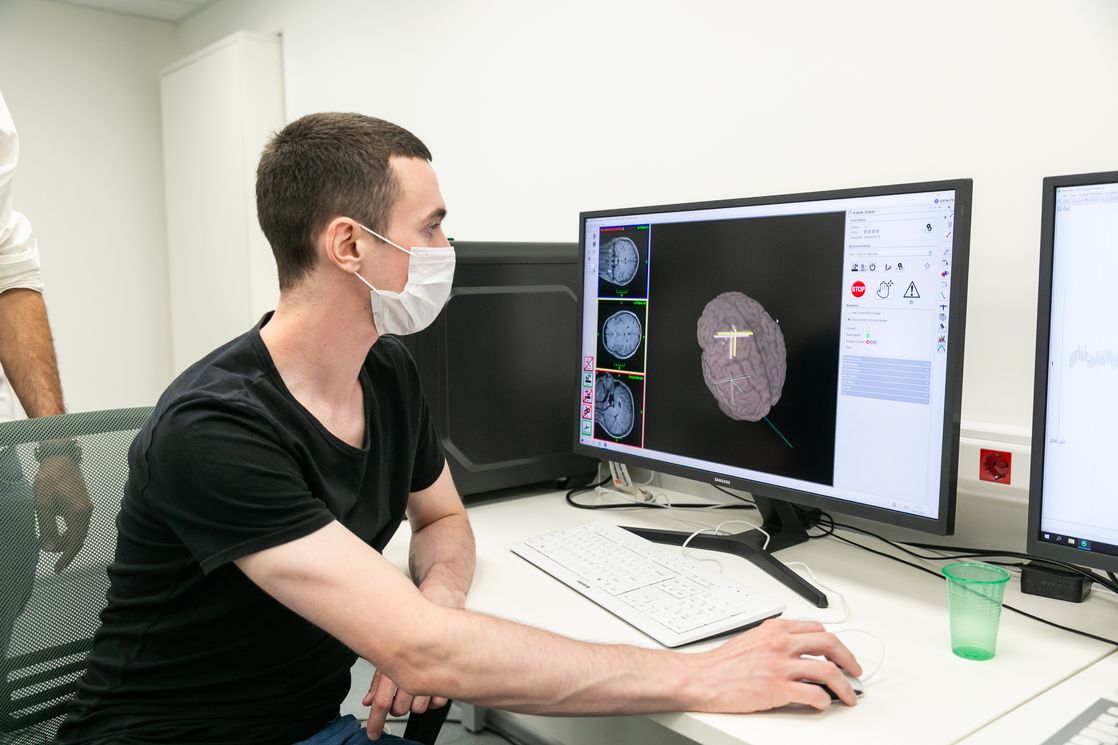
Neurotechnologies for the correction of speech disorders are being developed by CNM under the guidance of its Director Olga Dragoy. Computerised game tools for correcting children’s learning difficulties (in particular, reading) in the language sphere are also being advanced there.
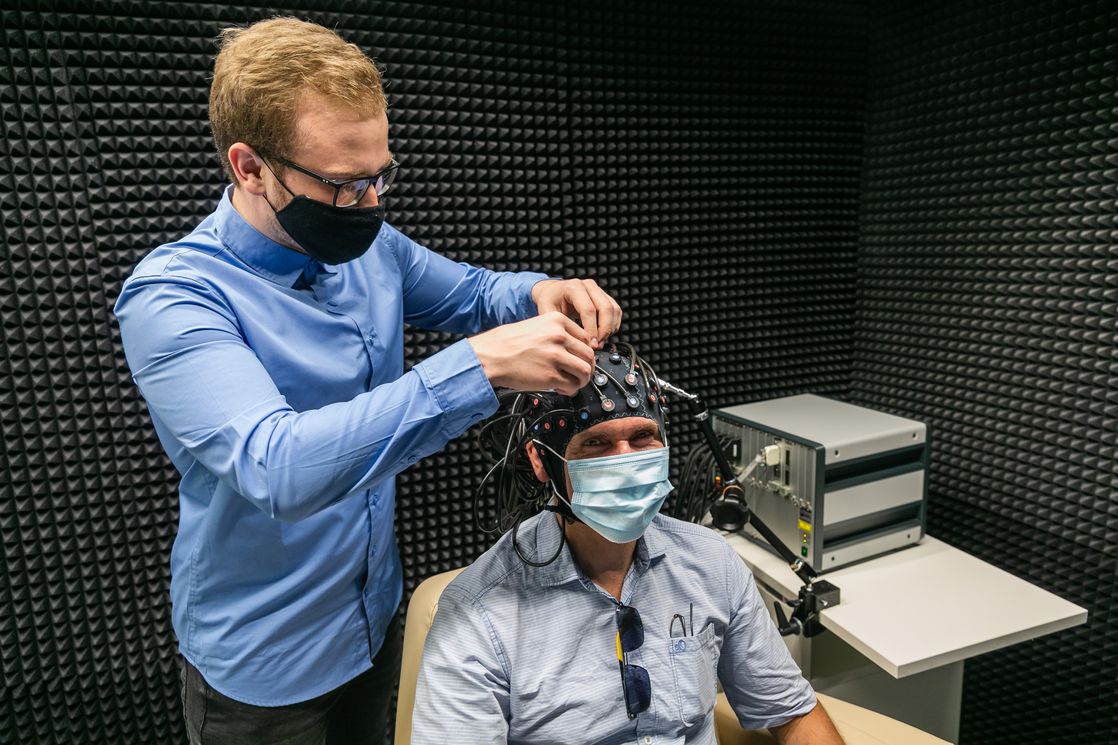
Under the leadership of Alexey Ossadtchi, together with LIFT (a new centre for biomedical technologies), a unique new-generation non-contact encephalography technology using optical magnetometry is being developed.
Finally, within the project’s framework, technologies for the neuroprediction of market behaviour and neurocognitive technologies for optimising urban spaces are under development.
— What is the project's main peculiarity, its uniqueness?
— The focus on augmented intelligence as the antithesis of artificial intelligence: to put people first and technology second. This is very important, because in the world of new technologies, one should understand how the human intellect works and what the brain mechanisms are in order to create new technologies to improve the abilities of the brain and the human.
— What scientific works formed the basis of the proposed solutions?
— Our consortium is, first and foremost, a team of outstanding world-famous scientists who are able to captivate young people with scientific and applied problems at the forefront of science and neurotechnologies. ICH employees annually publish around 50 papers in leading international journals, including NeuroImage, Human Brain Mapping, Stroke, JNeuroisci, PNAS, PLOS Biology, and many others. HSE University employs outstanding specialists in the field of studying the neurocognitive mechanisms of human cognition, and each of them is a unique researcher in their field.
— What results are expected to be obtained after the project implementation and what has been done so far?
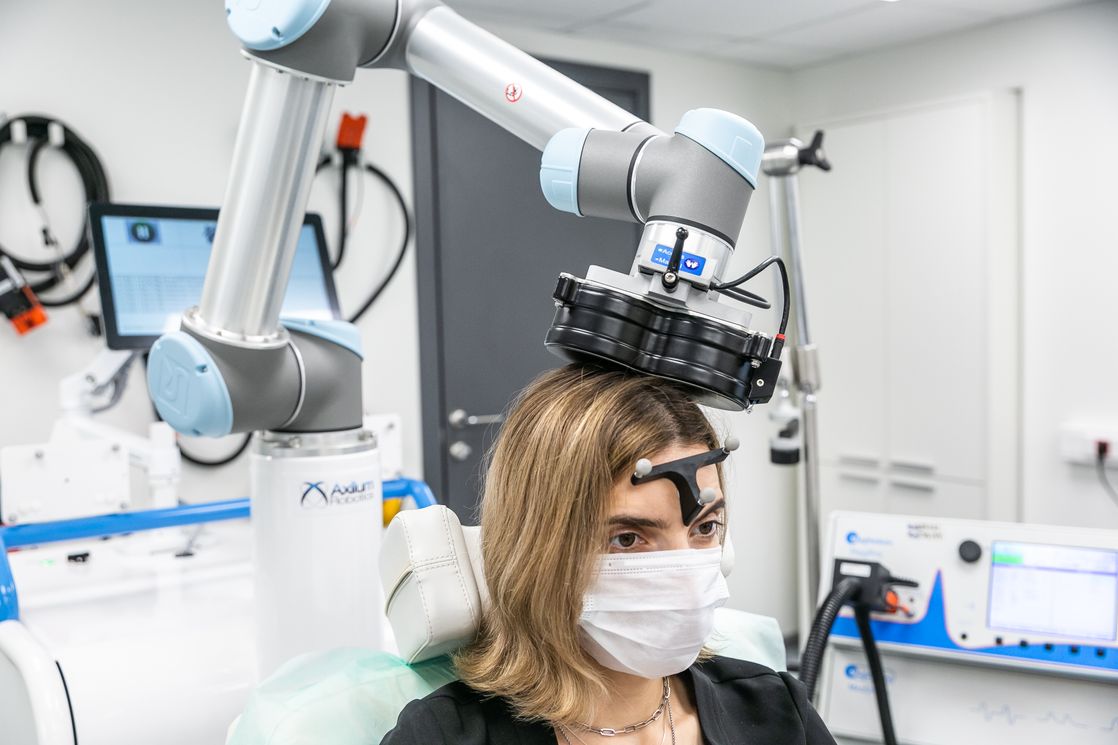
— The results include technologies for the development of programmes for correcting speech disorders, as well as applications and games for children. These are also tools for biomedicine: passive preoperative non-invasive mapping without stimulation for brain surgery, new neuroimaging technologies, next-generation encephalography, new neurostimulation protocols, and much more.
The project partners have accumulated impressive experience in the implementation of applied research. FCS scientists are the authors of mathematical methods that can be applied to the study of natural and augmented natural intelligence.
— How often is it possible to use scientific approaches in the solution of applied problems?
— Almost always, the transfer of research into technology is a global trend. However, it is important to note that not every fundamental result can be applied to the solution of specific problems, in our case, those related to the rehabilitation and diagnosis of various pathologies.
— Do you think it is possible to broadly use technology to enhance/strengthen the physical and cognitive abilities of a human in the near future?
— Thanks to the growth of computer technology and AI, the development and implementation of technologies such as neuro- and biofeedback and brain-computer interfaces have accelerated remarkably and are already being used in medicine and education.
Neurofeedback technology (NFB) is a neuromodulation technology that allows a person to control the activity of their own brain. Within the framework of this approach, signals of brain activity are analysed in real time and parameters characterising brain activity are calculated, then information about it is presented to the user. The use of the NFB allows the user to learn self-regulation skills, including the conscious regulation of brain activity.
— Is it possible to apply your developments in the prevention and treatment of diseases and, possibly, the prevention of deviant behaviour?
— Most of our work is aimed at studying the mechanisms of decision-making, visual and auditory perception, their norm and pathology. For example, in Alzheimer’s disease, schizophrenia and autism, certain cognitive functions are impaired. If we know how the brain provides a particular function and how its implementation differs in pathology, we can diagnose disorders and even point out abnormalities in the brain with certain problems.
— What departments and research groups are involved in the project outside of HSE University?
— These are all medical universities, research medical institutions; they are all tied to the development of biomedical technologies.
— How will the project contribute to the development of the university?
— One can call it a new direction in the natural sciences. It is a project with an emphasis on the natural sciences. We are entering the biomedical research market, and this is important for the reputation of HSE University as a multidisciplinary university.
The project has several tasks, including the creation of unique educational tracks. The key educational initiative is the Master’s programme ‘Cognitive Sciences and Technologies: From Neuron to Cognition’, which is very popular among HSE University applicants. For the second year, the new Bachelor’s programme ‘Cognitive Neurobiology’ on the basis of the Faculty of Biology and Biotechnology (supervised by Olga Martynova) is welcoming new applicants.
Thanks to the effort of ICN, a new cross-disciplinary graduate school in cognitive science has emerged.
We have become trendsetters in creating new areas of education, for example, the cross-cutting track ‘bachelor’s degree —master’s degree—postgraduate studies.’
The annual school on active and passive methods of neuromapping led by Matteo Feurra and Evgeny Blagoveshchensky is also enjoying great success.
See also:

Banking Crises Drive Biodiversity Loss
Economists from HSE University, MGIMO University, and Bocconi University have found that financial crises have a significant negative impact on biodiversity and the environment. This relationship appears to be bi-directional: as global biodiversity declines, the likelihood of new crises increases. The study examines the status of populations encompassing thousands of species worldwide over the past 50 years. The article has been published in Economics Letters, an international journal.
Scientists Discover That the Brain Responds to Others’ Actions as if They Were Its Own
When we watch someone move their finger, our brain doesn’t remain passive. Research conducted by scientists from HSE University and Lausanne University Hospital shows that observing movement activates the motor cortex as if we were performing the action ourselves—while simultaneously ‘silencing’ unnecessary muscles. The findings were published in Scientific Reports.
Russian Scientists Investigate Age-Related Differences in Brain Damage Volume Following Childhood Stroke
A team of Russian scientists and clinicians, including Sofya Kulikova from HSE University in Perm, compared the extent and characteristics of brain damage in children who experienced a stroke either within the first four weeks of life or before the age of two. The researchers found that the younger the child, the more extensive the brain damage—particularly in the frontal and parietal lobes, which are responsible for movement, language, and thinking. The study, published in Neuroscience and Behavioral Physiology, provides insights into how age can influence the nature and extent of brain lesions and lays the groundwork for developing personalised rehabilitation programmes for children who experience a stroke early in life.
HSE Scientists Reveal What Drives Public Trust in Science
Researchers at HSE ISSEK have analysed the level of trust in scientific knowledge in Russian society and the factors shaping attitudes and perceptions. It was found that trust in science depends more on everyday experience, social expectations, and the perceived promises of science than on objective knowledge. The article has been published in Universe of Russia.
Scientists Uncover Why Consumers Are Reluctant to Pay for Sugar-Free Products
Researchers at the HSE Institute for Cognitive Neuroscience have investigated how 'sugar-free' labelling affects consumers’ willingness to pay for such products. It was found that the label has little impact on the products’ appeal due to a trade-off between sweetness and healthiness: on the one hand, the label can deter consumers by implying an inferior taste, while on the other, it signals potential health benefits. The study findings have been published in Frontiers in Nutrition.
HSE Seeks New Ideas for AI Agents: Initiative Competition Launched
HSE University is inviting researchers and lecturers to present concepts for new digital products based on artificial intelligence. The best projects will receive expert and technological support. Applications are open until December 19, 2025.
IDLab: Fascinating Research, Tough Deadlines, and Academic Drive
The International Laboratory of Intangible-driven Economy (IDLab) was established at the HSE campus in Perm 11 years ago. Its expertise in data processing and analysis allows researchers to combine fundamental studies with applied projects, including the development of risk and cybersecurity models for Sber. The head of the laboratory, Professor Petr Parshakov, and Senior Research Fellow Professor Mariya Molodchik spoke to the HSE News Service about IDLab’s work.
HSE Lecturers Awarded Yandex ML Prize 2025
The Yandex ML Prize is awarded to lecturers and heads of educational programmes who contribute to the development of artificial intelligence in Russia. This year, 10 laureates were selected from 300 applicants, including three members of the HSE Faculty of Computer Science (FCS). A special Hall of Fame award was also presented for contributions to the establishment of machine learning as an academic field. One of the recipients was Dmitry Vetrov, Research Professor at the HSE FCS.
HSE University and Banking and Finance Academy of Uzbekistan Sign Memorandum on Scientific Cooperation
The partnership aims to foster academic collaboration in the fields of global economics, sustainable development, and Islamic finance. Strengthening academic ties with Uzbekistan represents a promising direction for scientific exchanges and the implementation of international projects in sustainable development.
HSE Scientists Optimise Training of Generative Flow Networks
Researchers at the HSE Faculty of Computer Science have optimised the training method for generative flow neural networks to handle unstructured tasks, which could make the search for new drugs more efficient. The results of their work were presented at ICLR 2025, one of the world’s leading conferences on machine learning. The paper is available at Arxiv.org.